
Why Won’t My Car Accelerate Properly? Common Causes & Solutions
Has your car suddenly started to hesitate or struggle to accelerate? This issue can range from a minor annoyance to a serious mechanical problem. If your vehicle is not accelerating properly,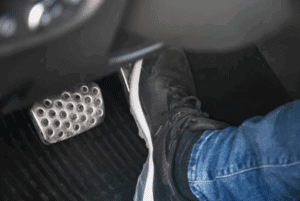 there could be a few common causes behind it, including issues with the engine, fuel system, transmission, and more. In this blog post, we’ll explore the top reasons why your car won’t accelerate properly and how to fix them.
1. Clogged Fuel Filter or Failing Fuel Pump
If your fuel filter is clogged or your fuel pump is failing, your car will struggle to get the fuel it needs to accelerate properly. A fuel filter prevents dirt and debris from entering the fuel system, while the fuel pump delivers fuel from the tank to the engine. When either of these components malfunctions, you might experience sluggish acceleration or stalling.
Symptoms:
Sluggish or delayed acceleration
Difficulty starting the engine
Engine stalling under load
Fix: Replace the fuel filter and have the fuel pump tested for pressure issues.
2. Faulty Mass Airflow Sensor (MAF) or Oxygen Sensors
Modern vehicles rely on sensors to maintain the proper air-fuel mixture for optimal engine performance. If the Mass Airflow Sensor (MAF) or oxygen sensors are faulty, your engine may not receive the correct air-fuel balance, resulting in poor acceleration.
Symptoms:
Rough or uneven idling
Check engine light on
Poor fuel efficiency
Fix: Get a diagnostic scan and replace the faulty sensor.
3. Transmission Problems
If your car’s engine is fine but the acceleration feels sluggish, the problem could be with your transmission. Common issues include low transmission fluid, a slipping transmission, or even a damaged torque converter. These problems can cause delays in shifting or power transfer to the wheels.
Symptoms:
High RPMs with slow movement
Gear slipping
Delayed or rough gear changes
Fix: Check transmission fluid levels, and if necessary, schedule a professional inspection for a full diagnosis.
4. Throttle Body or Electronic Throttle Control Issues
Many modern cars use an electronic throttle control system, which means there is no mechanical link between the gas pedal and the throttle. If this system malfunctions — due to a dirty throttle body or faulty sensors — you may notice poor or delayed acceleration.
Symptoms:
Delayed throttle response
Rough or jerky acceleration
Warning lights on the dashboard
Fix: Clean the throttle body or replace faulty components in the electronic throttle control system.
5. Catalytic Converter Issues
A clogged or damaged catalytic converter can lead to significant acceleration problems. The catalytic converter helps filter exhaust gases, but if it becomes blocked, it creates backpressure that hinders engine performance.
Symptoms:
Poor acceleration
Strong sulfur smell
Overheating under the vehicle
Fix: Inspect the catalytic converter for damage or blockage and replace if necessary.
6. Vacuum Leaks
Vacuum leaks can disrupt the air-fuel mixture by letting extra air into the engine. This causes the engine to run lean (too much air and not enough fuel), which can result in rough idling and poor acceleration.
Symptoms:
Hissing noise from the engine
Engine stuttering
Decreased acceleration
Fix: Use a smoke test to identify the leak, then replace any damaged hoses or gaskets.
7. Bad Spark Plugs or Ignition Coils
Spark plugs ignite the air-fuel mixture in the engine. If your spark plugs are old or your ignition coils are malfunctioning, it can cause misfires and result in poor engine performance and acceleration.
Symptoms:
Misfires or engine sputtering
Lack of power during acceleration
Poor fuel efficiency
Fix: Replace worn-out spark plugs and faulty ignition coils.
Final Thoughts: Why Your Car Won’t Accelerate Properly
When your car won’t accelerate properly, it’s essential to pinpoint the underlying issue quickly. Whether it’s a clogged fuel filter, a failing sensor, or a transmission issue, addressing the problem early can prevent costly repairs down the road. Always pay attention to warning signs like strange noises, smells, or dashboard lights, and consult a mechanic to diagnose the issue.
Need professional help with your car’s acceleration issue? Reach out to us at 832-767-0672 and book a apointment!