
Car Overheating?
Discover the Top 7 Reasons and How to Fix Them Fast!
Why Is My Car Overheating?
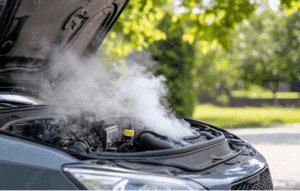
If you’ve ever seen steam coming from your hood or noticed your temperature gauge climbing into the red, you’re not alone. Car overheating is one of the most common—and serious—engine problems drivers face. But what causes it, and how can you prevent lasting damage?
This guide covers the top reasons your car may be overheating, symptoms to watch for, and how to fix engine overheating safely.
Common Causes of Car Overheating
1. Low Coolant Levels
The most common cause of car overheating is low coolant, also known as antifreeze. This fluid absorbs heat from the engine and carries it to the radiator. Without enough of it, your engine can’t stay cool.
Fix: Check and top off the coolant only when the engine is cold. If it keeps happening, you likely have a leak.
2. Thermostat Failure
The thermostat controls coolant flow through the engine. A stuck thermostat can trap heat and cause your engine to overheat rapidly.
Fix: A mechanic can easily replace a faulty thermostat.
3. Radiator Problems
Your radiator cools the hot coolant coming from the engine. A clogged, leaking, or damaged radiator can cause poor heat dissipation, leading to engine overheating.
Fix: Look for signs of rust, leaks, or low coolant levels. A radiator flush or replacement may be needed.
4. Broken Water Pump
The water pump circulates coolant through the system. A failing pump prevents flow, causing your car engine to overheat.
Fix: If you hear whining noises or see coolant leaks under the engine, get the pump inspected ASAP.
5. Cooling Fan Not Working
Your cooling fan helps lower coolant temperature, especially in slow traffic. If the fan fails, the engine temperature can rise quickly, especially in hot weather.
Fix: Check if the fan turns on when the engine gets hot. A bad motor, fuse, or relay may be the cause.
6. Damaged or Blocked Hoses
Coolant travels through hoses. Cracks, blockages, or collapsed hoses restrict flow, leading to engine overheating symptoms.
Fix: Inspect hoses for leaks, soft spots, or blockages. Replace as needed.
7. Blown Head Gasket
A blown head gasket allows coolant and engine oil to mix, leading to overheating and possibly catastrophic engine damage.
Fix: This is a serious issue—get your car towed and diagnosed by a professional.
What to Do When Your Car Overheats
If your car starts overheating, follow these steps immediately:
Pull over safely and turn off the engine.
Turn off the A/C and switch the heat to max—this helps pull heat from the engine.
Do not open the radiator cap until the engine is completely cool.
Check coolant levels and look for leaks under the car.
Call a mechanic or roadside assistance if the problem doesn’t resolve.
How to Prevent Car Overheating
Regular maintenance is key to preventing overheating issues in cars:
Check coolant levels monthly.
Flush your radiator as recommended (usually every 30,000–50,000 miles).
Inspect hoses and belts for wear.
Pay attention to warning lights and unusual engine behavior.
Related Topics You Might Like
Final Thoughts on Car Overheating
If you’ve ever asked, “Why is my car overheating?”, now you know the most common causes and fixes. While it’s tempting to ignore a hot engine, doing so can result in engine failure or thousands in repairs.
Don’t wait for a breakdown—if your car overheats often, get a proper inspection. Keeping your cooling system healthy means a longer-lasting vehicle and peace of mind on the road.
Here at Horeb Auto Repair we do all types of services related to keeping your coolant clean and long lasting. Book a Apointment at 832-767-0672