
Owning a car often means dealing with the inevitable breakdowns or maintenance issues. Whether it’s a flat tire, an engine light that comes on, or the wipers suddenly stop working, knowing how to perform basic car repairs can save you time, money, and the stress of having to rush to a mechanic. If you’re new to car repairs, don’t worry! This beginner’s guide will take you through the essentials of basic car repairs that anyone can master with a little practice.
1. Get Familiar with Your Car
Before diving into car repairs, it’s crucial to familiarize yourself with your vehicle’s manual and its essential components. Every car is different, but most share similar systems such as the engine, brakes, tires, and fluids. Understanding these will make repairs more manageable and allow you to perform maintenance confidently.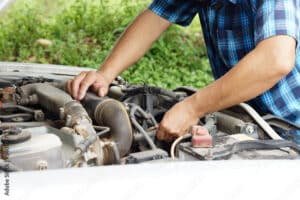
Key areas to understand:
- The Engine: It’s the heart of your car. Basic components like the air filter, spark plugs, and timing belt should be understood to keep things running smoothly.
- Tires: Learn how to check tire pressure, tread wear, and change a flat tire—skills that every driver should know.
- Fluids: From motor oil to transmission fluid and brake fluid, keeping these topped up will keep your car running optimally.
- Battery: A dead battery is common. Knowing how to jump-start or replace it can save you a lot of hassle.
2. Essential Tools Every Car Owner Should Have
Before you begin performing car repairs, you’ll need the right tools. Having a well-stocked toolkit will ensure you’re ready for various common car repair tasks.
Here are the basic car repair tools every driver should have:
- Car Jack and Jack Stands: These are necessary for lifting your car when changing tires or inspecting underneath.
- Tire Iron/Wrench: A tire iron will help you loosen the lug nuts when changing tires.
- Wrenches and Socket Set: These will be used for many repairs, especially those involving the engine or exhaust system.
- Screwdrivers (Flathead & Phillips): For small fixes, like replacing light bulbs or securing screws.
- Pliers: Useful for gripping and manipulating small components.
- Oil Filter Wrench: Essential for changing your oil.
Having these tools on hand will make car repairs more efficient, and ensure you can perform basic maintenance without delay.
3. How to Change a Flat Tire
Changing a flat tire is one of the most common car repairs every driver should know how to do. Here’s a step-by-step guide:
- Find a Safe Location: Pull over to a safe spot away from traffic. Turn on your hazard lights.
- Loosen the Lug Nuts: Use your tire iron to loosen (but not fully remove) the lug nuts on the flat tire.
- Lift the Car: Position your jack under the car’s designated lifting point, and lift the car off the ground.
- Remove the Flat Tire: Once elevated, remove the lug nuts completely and take off the flat tire.
- Install the Spare: Place the spare tire on the wheel hub, and hand-tighten the lug nuts.
- Lower the Car and Tighten the Nuts: Lower the car back to the ground, and then use the tire iron to fully tighten the lug nuts in a crisscross pattern.
4. How to Check and Replace Your Car’s Fluids
Keeping your car’s fluids at the right levels is essential for optimal performance. Here’s how to check and replace some of the most important car fluids:
Engine Oil
- How to Check: Pull out the dipstick, wipe it clean, reinsert it, and remove it again. The oil level should be between the “low” and “high” markers.
- How to Replace: If it’s time for an oil change, place a container under the oil pan, remove the drain plug, and let the oil drain out. Replace the oil filter and refill with fresh oil.
Coolant
- How to Check: The coolant reservoir should have markers indicating the minimum and maximum levels. If it’s low, top it off with the appropriate coolant.
- How to Replace: Drain the old coolant into a container, flush the radiator with clean water, and refill with fresh coolant.
Brake Fluid
- How to Check: The brake fluid reservoir is usually near the brake master cylinder. Check the level by observing the fluid through the translucent reservoir.
- How to Replace: If the fluid is low, top it off with the correct brake fluid for your vehicle. If it’s dirty or old, a full flush may be required, which might be better left to a professional.
5. How to Jump-Start a Dead Battery
Getting stuck with a dead battery is one of the most frustrating experiences for a driver, but it’s something you can handle with the right knowledge. Here’s how to jump-start a car:
- Position the Cars: Park the car with the working battery close to the dead car, ensuring both cars are off.
- Connect the Jumper Cables:
- Red cable to the positive terminal of the dead battery.
- Red cable to the positive terminal of the working battery.
- Black cable to the negative terminal of the working battery.
- Black cable to an unpainted metal surface on the dead car.
- Start the Working Car: Let it run for a few minutes.
- Start the Dead Car: Try starting the car with the dead battery.
- Remove the Cables: Once the dead car starts, carefully remove the cables in reverse order.
6. Replacing Air Filters
A clogged air filter can reduce your car’s performance and fuel efficiency. Here’s how to replace it:
- Locate the Air Filter Box: It’s typically near the engine, secured by screws or clips.
- Remove the Old Filter: Pull out the dirty filter and check for any damage.
- Install the New Filter: Place the new filter into the box, ensuring it’s seated properly. Secure the box and close it.
7. When to Seek Professional Help
While learning how to perform basic car repairs can save you money, there are situations when professional help is necessary. If you’re facing engine problems, brake issues, or electrical failures, it’s a good idea to consult a mechanic for help.
Conclusion
Performing basic car repairs doesn’t need to be daunting. By learning essential tasks like changing a tire, checking fluids, and jump-starting a battery, you can keep your car in great shape and save on repair costs. With the right tools, knowledge, and a little practice, you’ll be able to handle common issues with confidence.
Remember, regular car maintenance is the key to preventing bigger issues down the road. If you’re unsure about anything or need help with more complex repairs, don’t hesitate to reach out to a professional mechanic.