
If you’re wondering how often to check your brakes, you’re not alone. Brake maintenance is one of the most important aspects of vehicle safety, yet many drivers delay inspections until a problem appears. This guide covers when to get your brakes checked, warning signs to watch for, and why regular brake inspections matter for both safety and savings.
How Often Should You Get Your Brakes Checked?
For most drivers, it’s recommended to schedule a brake inspection at least once a year or every 12,000 miles. This routine check helps catch wear early before it turns into costly repairs.
However, you may need more frequent brake checks if you:
- Drive in stop-and-go city traffic
- Travel through hilly or mountainous terrain
- Frequently brake hard or suddenly
- Tow trailers or carry heavy loads
In these cases, consider a brake inspection every 6 months or 6,000–8,000 miles to ensure optimal performance.
Common Signs Your Brakes Need Immediate Attention
Knowing the symptoms of worn brakes can help you avoid dangerous situations. Schedule a brake check right away if you notice:
- Squeaking or squealing brakes
- Grinding noise when braking (often worn brake pads)
- Vibration or shaking in the brake pedal
- Longer stopping distance
- Brake warning light on your dashboard
These warning signs often indicate issues with brake pads, rotors, or brake fluid—all critical components of your braking system.
Why Regular Brake Inspections Are Important
1. Improves Vehicle Safety
Routine brake maintenance ensures your car can stop quickly and safely, reducing the risk of accidents.
2. Prevents Expensive Repairs
Replacing worn brake pads early can prevent damage to rotors and calipers, which are much more expensive to fix.
3. Extends Brake System Lifespan
Regular inspections and timely service help your entire braking system last longer, saving you money over time.
4. Enhances Driving Performance
Smooth, responsive brakes improve your control, especially in emergency situations.
What Happens During a Brake Inspection?
A professional brake inspection service typically includes:
- Measuring brake pad thickness
- Inspecting rotors for wear or warping
- Checking brake fluid levels and condition
- Looking for leaks in the brake system
- Testing overall braking performance
This thorough check ensures your vehicle is safe and road-ready.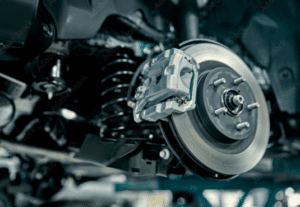
Brake Maintenance Tips for Drivers
To keep your brakes in top condition:
- Avoid aggressive braking when possible
- Maintain proper following distance
- Have your brake fluid checked regularly
- Follow your vehicle manufacturer’s maintenance schedule
Final Thoughts: Don’t Wait to Check Your Brakes
Staying on top of brake inspections is one of the easiest ways to keep your vehicle safe and reliable. Whether you’re commuting daily or planning a road trip, properly maintained brakes are essential.
If you can’t remember your last brake check, it’s time to schedule one. Regular inspections not only protect you—they also help you avoid costly repairs down the road.